|
|||
|
In this update:
Shapiro Puts Blue States Over Pennsylvania
A topic I hear often about from constituents is skyrocketing electric rates. Here’s what’s driving this frustrating trend: Pennsylvania is the number one exporting state in the nation for net electricity. We’re the energy hub for the 13 states that are part of the Pennsylvania, New Jersey and Maryland grid, known as PJM. Without Pennsylvania’s reliable energy sources, including natural gas, coal, and nuclear power, states like Maryland, New Jersey, and Virginia would literally be in the dark. They don’t produce enough reliable baseload power for their own needs. The Shapiro Price Cap With the Shapiro Price Cap in place, every state is paying the same: $330 per megawatt day, meaning Pennsylvania families and employers are paying MORE while people in Virginia and Maryland are paying LESS. If we want lower electricity rates, we must require other states to do their fair share or pay more to help keep the PJM grid viable. Click here to read more about why energy costs remain high for Pennsylvanians. Fighting Rising Energy Costs
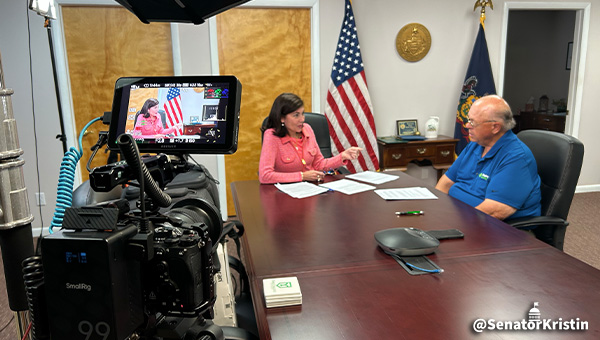
Recently, I introduced Senate Bill 966 which would increase transparency, accountability, and drive competition for energy suppliers in Pennsylvania. I had the opportunity to sit down with Gary Sutton to speak about this important legislation, and what it will do for Pennsylvanians, on the latest episode of the Energy Exchange Podcast. Click here to watch the podcast! Largest Tax Cut in Pennsylvania History
This week, Pennsylvania House Democrats attempted to slash education funding for Pennsylvania’s most vulnerable and underserved students by dismantling the EITC/OSTC programs. On the other side of the legislature, Senate Republicans approved legislation to dramatically decrease costs for Pennsylvania families by cutting taxes on electric bills and school supplies, while strengthening the state’s Educational Improvement Tax Credit (EITC) program and eliminating the current sales tax exemption for data centers. Making up the largest tax cut in Pennsylvania history, the proposal would eliminate the gross receipts tax on electric bills and require utility companies to pass the reduction on to consumers, saving ratepayers more than $1.7 billion over the first year. It would also implement a two-week sales tax holiday in August for school supplies, such as book bags, crayons, textbooks, and tablets. The highly successful EITC program, which provides opportunities for low low-income students to escape failing schools and students with disabilities to receive an education which meets their needs, would receive an additional $25 million under the legislation, bringing the total for the program to $705 million. EITC scholarships remain a priority for empowering Pennsylvania parents and giving students the platform they need for their future success. House Bill 1667, as amended by the Senate, would also respond to concerns being raised across the commonwealth by eliminating the existing sales tax exemption for data centers. The Senate action aims to provide greater affordability at a time when hardworking Pennsylvania families are feeling the strain of rising costs. The bill now moves to the House of Representatives. Protecting Families from Convicted Murderers
The Senate approved legislation to update Pennsylvania’s sentencing laws for second-degree murder following a recent Pennsylvania Supreme Court ruling. The bill now advances to the House of Representatives, which must act quickly. Without legislative action, Pennsylvania’s existing sentencing structure for second-degree murder would be invalidated, creating uncertainty for victims, prosecutors, and the courts. More than 1,150 individuals currently serving sentences for second-degree murder could be affected. Under Pennsylvania law, second-degree murder, often called felony murder, applies when someone dies during the commission of certain serious crimes, even if the defendant did not directly cause the death. In March, the Pennsylvania Supreme Court ruled that the automatic life-without-parole sentence for second-degree murder was unconstitutional. The ruling takes effect July 24. Senate Bill 1400 creates a new sentencing framework that complies with the court’s ruling while ensuring those involved in serious crimes remain accountable. The bill allows judges to consider an individual’s role in the crime when determining a sentence, while maintaining strong penalties for offenders and protections for victims. Read more about this effort to safeguard communities here. Reducing Rape Kit Testing Backlog
For years, Pennsylvania has worked to reduce the backlog of untested rape kits and to ensure survivors of sexual assault are treated with the urgency and dignity they deserve. We passed a 2024 law to move forward with a statewide sexual assault evidence tracking system so survivors can better understand where their kit is in the process. However, language in the law allows a local law enforcement agency to determine whether a kit should undergo DNA or other forensic analysis. This creates inconsistency from one jurisdiction to another. Senate Bill 1212 removes that discretionary language and helps establish a clear, statewide expectation that sexual assault evidence that has been collected and has not yet received DNA or other appropriate forensic analysis should be treated consistently. The measure was sent to the House of Representatives for consideration. Read more about the latest action to reduce the backlog in rape kit testing here. Cutting Charity Red Tape
The Senate voted to update charitable financial reporting requirements to better reflect the resources of nonprofits. The change would ensure transparency without imposing an unnecessary burden that undermines the charity’s mission. Senate Bill 1183 would update the level of financial review required for charitable organizations based on the amount of annual contributions they receive. Reviews range from independent CPA audits for larger nonprofits to no reviews or audits for smaller ones. The thresholds have not been updated since 2017. The bill was sent to the House of Representatives for consideration. Read more about updating charitable audit requirements here. Hunting and Fishing Discounts for Law Enforcement
In gratitude for the service of police officers across our commonwealth, the Senate approved legislation to provide current and retired law enforcement with discounted hunting and fishing licenses. Under Senate Bill 469, law enforcement officials would be able to acquire each license for $1. It may be a small gesture, but discounted licenses can help the men and women patrolling our communities take a break from a stressful job and enjoy the outdoors. The measure now goes to the House of Representatives for consideration. Read more about Senate Bill 469 here. Face the State: Skill Games and Data Centers
I had the chance to talk about some of the hottest topics in state government on last weekend’s episode of CBS 21’s Face the State – skill games and data centers! While the future of skill games is yet to be decided following the recent Pennsylvania Supreme Court ruling, I will fight to make sure that if any tax is placed on these machines, the revenue collected will go towards property tax relief. Additionally, I spoke about my new bill which would protect our precious farmland from being taken by federal eminent domain to power data centers in Maryland and northern Virginia. Our farmers are constantly under threat of losing land through eminent domain to site high‑voltage transmission lines that connect our energy‑negligent neighboring states to Pennsylvania‑based power generation. Our farmers, especially those with preserved farmland, should not be under constant threat from utilities and transmission line companies. My bill would allow these transmission lines to be placed along PennDOT highway rights-of-way. While we cannot decide how our neighbors to the south regulate their data centers, we can make sure, at the very least, our farmers do not pay the price. Click here to watch my interview on CBS 21’s Face the State. You can find more information on the bill by clicking here. SHOW ME THE POTHOLES! Your Input Needed!
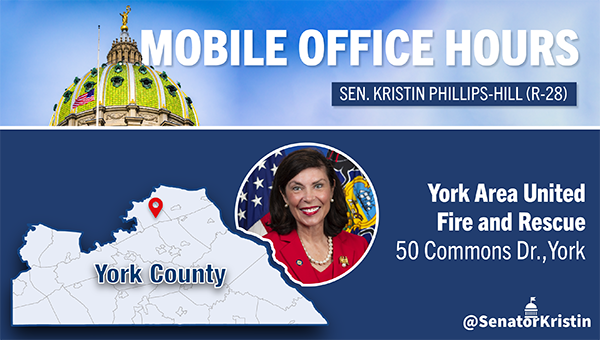
The 2027 Statewide Transportation Improvement Program (STIP), a list of transportation projects identified for funding statewide, is available for public review and comment through June 30. The STIP is made up of 24 regional Transportation Improvement Programs and a variety of additional programs. It is updated every two years after the regional programs are submitted and approved. It will be adopted as part of the 12-Year Program update by the State Transportation Commission in August. You can review the plan and submit your comments here. July Mobile Office Hours
Thursday, July 2
Thursday, July 16 On Deck
The Senate of Pennsylvania reconvenes on Monday, June 29. Follow me on X for the latest updates on session convening times. You can watch Senate votes and view our agenda here. Upcoming PennDOT Maintenance Projects
Most weeks, PennDOT provides me with its upcoming maintenance schedule. While my team and I aim to keep this information up to date, please note that the page may not always reflect the latest changes. For the most accurate details, I recommend checking back on Friday afternoons or over the weekend, as we usually receive updates from PennDOT on Fridays. You can view the full list here to see if any roadwork might impact you and your family. |
|||
|
|||


Want to change how you receive these emails? 2026 © Senate of Pennsylvania | https://senatorkristin.com | Privacy Policy |